7 Things to Look For in a Vape Brand SEO Agency in Canada

Woman in leather jacket exhaling vapor cloud from vape device in dark setting with wine barrels in background

Choosing a vape brand SEO agency in Canada comes down to seven things, and compliance literacy sits at the top of the list. Because paid vape ads are restricted by both regulation and the major platforms, organic search is the channel that actually grows a vape brand, and the right agency treats the rules as the starting point of strategy rather than a disclaimer. This list ranks the traits that separate a genuine specialist from a generalist who will learn on your budget.

I test disposable vapes for a living, so I spend a lot of time looking at how vape brands present themselves online, and the pattern is hard to miss: great product, nearly invisible in search. The reason is almost always the same. Vape is a restricted category, the usual paid-ad shortcuts are closed, and most brands hand their marketing to someone who does not understand the constraints. So here is the checklist I would use to pick a vape brand SEO agency in Canada, ranked from most to least decisive.

A quick word on why the ranking order matters. These seven traits are not equally weighted. The first two, compliance literacy and an organic-first strategy, are effectively gatekeepers: an agency that fails either one is disqualified no matter how strong it is elsewhere, because both failures create active risk rather than mere underperformance. The remaining five are refinements that separate a good specialist from a great one. So read the list top-down, and do not let a strong showing on the lower traits distract you from a failure on the top two. In vape, the downside risks are the ones that decide whether an agency is safe to hire at all.
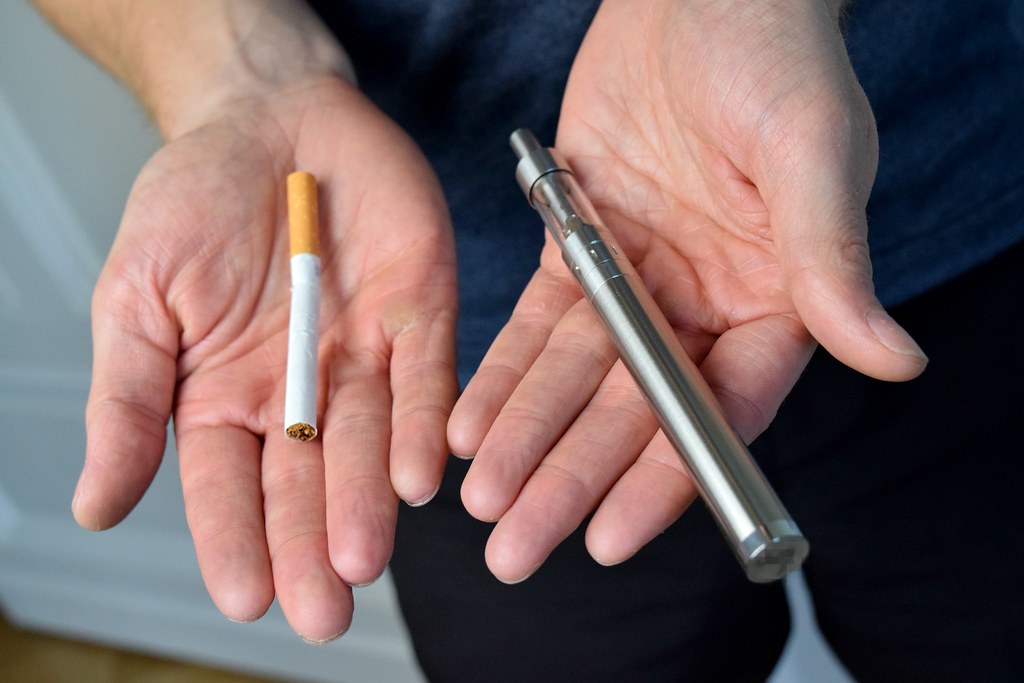
Hands holding a cigarette and an e-cigarette side by side
Photo: Vaping360 via flickr, CC BY 2.0

Why picking the right agency matters more in vape

Before the list, it is worth being clear about why this choice carries more weight in vape than in an ordinary retail category. In most industries, a mediocre marketing agency costs you some wasted budget and slow growth. In vape, a mediocre agency can cost you your ad accounts, trigger a compliance problem, or publish content that has to be torn down. The downside is not just underperformance; it is active risk. That asymmetry is why the traits below are weighted toward caution and compliance rather than pure creativity or output volume.

The other reason the choice matters is that the winning channel in vape is a slow, compounding one. Because paid acquisition is unreliable, organic search does the heavy lifting, and organic is unforgiving of the wrong partner. Months spent with an agency that produces thin or non-compliant content are months your competitors spend building durable rankings you then have to catch up to. Picking well the first time is worth far more here than in a category where you can simply outspend a bad start. With that framing, here is the checklist, ranked.

One more thing worth saying before the list: none of these seven traits is exotic or hard to check. They are all things you can assess in a single well-run conversation and a look at a couple of work samples. The reason so many vape brands still end up with the wrong agency is not that the signals are hidden; it is that they never ask the right questions, dazzled instead by a slick pitch or a low price. Treat the seven points below as your interview script, and you will avoid the most common and most expensive hiring mistake in this category.

1. Compliance literacy that comes before the marketing

This is the non-negotiable first trait, because in vape it is the whole game. Vaping promotion in Canada is governed by the Tobacco and Vaping Products Act and its regulations, which restrict advertising that can reach young people and require health warnings on permissible vaping ads. Health Canada lays out the framework in its overview of what it publishes about vaping. An agency that cannot tell you, before writing a word, what a vape brand may and may not say is not ready to touch your content. Everything else on this list is secondary to this one.

How do you test for it? In a first conversation, ask a specific question: what can and cannot appear in our content given the vaping promotion rules? A specialist answers concretely, naming the kinds of claims and placements that are restricted. A generalist gives a vague reassurance like “we’ll make sure it’s compliant” without being able to say what compliant means. The difference is immediate and telling. You are not looking for a legal opinion; you are looking for evidence that the agency has internalized the boundary well enough to work inside it automatically, on every page, without needing you to catch the problems.

2. An organic-first strategy, not a paid-ad plan

The second trait follows from the first. Because the platforms restrict vape and cannabis-adjacent paid promotion, an agency that leads its pitch with paid ads either does not understand the category or is willing to gamble your ad account. The right answer is organic search as the core engine, because it compounds and cannot be suspended by a policy update. If the strategy centers on buying traffic, that is a red flag, not a plan.

I have watched this fail firsthand. A vape brand pours budget into an ad account, gets a few months of traction, then wakes up to a suspension over a policy interpretation nobody flagged. Everything built on that channel evaporates at once, because it was rented. Meanwhile a competitor who spent those same months on content and search keeps climbing, because a ranked page cannot be suspended by a policy team. An agency that understands this leads with the durable channel from day one. An agency that does not will happily spend your money building on ground that can vanish overnight.

The reframe worth keeping: paid ads rent attention and vanish when the account does. Organic search builds an asset you own. In a category where the rented channel keeps getting revoked, the owned one is the strategy.

3. Writers who actually know vape products

Content written by people who understand the products reads differently, and it ranks differently. A writer who knows the difference between device types, nicotine formats, and what a buyer actually asks produces listings and guides that answer real questions, which is what search rewards. Generic content spun by someone who has never handled the product is thin, and thin content fails hardest in scrutinized categories. Ask who writes the content and whether they know the category.

As someone who tests these products, I can spot category-ignorant content in a sentence or two. It uses the wrong terms, glosses over the distinctions buyers care about, and answers questions no real customer asks while missing the ones they do. Search engines increasingly reward genuine expertise and penalize surface-level filler, so this is not just an aesthetic complaint; it is a ranking factor. When you evaluate an agency, ask to see vape content they have actually produced and judge whether it reads like it was written by someone who knows the products or by someone who researched them for ten minutes. The difference shows, and search engines increasingly reward the former while quietly burying the latter.

4. Compliance review before anything publishes

A specialist builds a compliance check into the workflow, before a page goes live, not after a problem surfaces. This matters because Health Canada’s vaping product regulations set specific requirements for what permissible vaping advertising must include and where it can appear, detailed in its vaping product safety regulations. An agency that reviews a page for compliance before publishing is doing risk work on your behalf. One that publishes first and fixes later is exposing you.

The distinction between review-before and fix-after is not academic. Once non-compliant content is live, it can be seen, indexed, and flagged before anyone catches it, and the liability attaches to the brand whose name is on the page. A pre-publish review catches the problem while it is still just a draft, which costs nothing. A post-publish scramble happens after the exposure has already occurred. Ask any prospective agency to walk you through their exact workflow from draft to published page, and listen for where the compliance check sits. If it sits at the end, or nowhere, that is the answer you need.

5. Reporting tied to revenue, not vanity metrics

Impressions and follower counts feel like progress and mostly are not. A serious vape brand SEO agency in Canada reports on organic sessions, keyword rankings, and conversions, the numbers that connect to revenue. If a proposal leans on reach and impressions, it is hiding the absence of outcomes that matter. Ask to see reporting that ties effort to sales.

The reason this trait ranks where it does is that vanity metrics are the easiest place for a weak agency to hide. Anyone can grow an impression count; it says nothing about whether the work is producing customers. Revenue-linked reporting, by contrast, is uncomfortable for an agency that is not delivering, which is exactly why the good ones offer it and the weak ones avoid it. When you review a reporting sample, look for a clear line from the SEO work to qualified organic traffic to conversions. If the report is a wall of reach figures with no connection to sales, you are looking at a scoreboard designed to look good rather than to be useful.

Trait Specialist answer Red flag answer
Compliance Reviewed before publish “We’ll fix issues if they come up”
Primary channel Organic search Paid ads
Reporting Revenue and rankings Impressions and reach
Focus Restricted industries only Any client, any vertical

6. A small enough client book to give you real attention

Restricted-industry work needs care, and a strategist juggling thirty clients cannot give it. Smaller client books usually mean the people doing the work are the people you actually talk to, which matters more in a compliance-sensitive category where a rushed page can become a liability. Ask how many clients each strategist carries. The answer tells you how much attention your account will get.

There is a specific failure mode this trait guards against. A large agency wins your business with a polished pitch from senior people, then hands the actual work to junior staff stretched across many accounts. In an ordinary category that produces mediocre results. In vape it produces risk, because the junior writer racing through your content may not have the compliance instincts the pitch team implied. A smaller, focused agency is more likely to keep experienced hands on your account throughout, which is worth more than the broader capacity a large generalist offers. Ask directly who will do the day-to-day work, and whether it is the same people you are talking to now.

7. A track record of surviving platform enforcement

The last trait is scar tissue. An agency that has operated in vape and cannabis long enough has watched accounts get restricted and learned the triggers. Health Canada also maintains active compliance and enforcement for vaping products, so an agency that understands enforcement, both platform and regulatory, is one that keeps you out of trouble. An agency that claims problems never happen has probably not operated here long enough to have seen them.

Experience with enforcement is the trait you most want and least want to test the hard way. An agency that has navigated a suspension or a compliance inquiry knows the warning signs and builds around them. One that has never encountered enforcement either has been lucky, has not operated long, or is not being candid. In your evaluation, ask whether they have ever dealt with a platform restriction or a compliance issue and what they learned. A thoughtful, specific answer signals real experience; a blanket claim that it never happens signals the opposite. In a category where enforcement is a matter of when rather than if, you want a partner who has already been through it and adjusted.

How to run the seven-point check in practice

Knowing the seven traits is only useful if you turn them into questions you actually ask. Here is how to run the check in a single evaluation call, in an order that surfaces the important answers fast.

Open with compliance. Ask what your content can and cannot say under the vaping rules. This is trait one, and it is the fastest disqualifier. If they cannot answer concretely, you can end the evaluation there.

Ask about the channel plan. Listen for whether they lead with organic or reach for paid ads. Trait two reveals itself in the first few sentences of their strategy pitch.

Ask to see the work and the writers. Request vape content samples and ask who wrote them. Traits three and four, product knowledge and pre-publish compliance review, both show up in the actual output and the workflow behind it.

Ask for a reporting sample. Trait five is visible the moment you see whether their report connects to revenue or hides in impressions.

Ask who does the work and how many accounts they carry. Traits six and seven, attention and enforcement experience, come out when you ask who will actually run your account day to day and whether they have navigated a platform or compliance problem before.

Run those questions in that order and you will usually know within one conversation whether you are talking to a specialist or a generalist. The specialist answers all seven concretely and often volunteers the caution before you ask. The generalist gets vague exactly where vape gets dangerous. That contrast is the whole point of the checklist.

Run those seven traits against the field and one Canadian option fits them cleanly. If you want to work with Client Verge on vape SEO, here is why they match the checklist: they work exclusively with cannabis, vape, CBD, hemp, and wellness brands, they lead with organic rather than the paid channels that keep getting vape accounts banned, they build compliance review into the workflow, and they keep a small client book so you work with the people doing the work. They back engagements with a multi-month growth guarantee, which is rare to see in writing in a category this volatile.

Their thinking on the category is laid out across their work on digital marketing in the vape space, and for brands whose site itself is the bottleneck, their web design for vape brands covers the conversion side. You can reach their team at (888) 501-0511. For further reading on what to weigh, this publication’s own guide to what to look for in a vape brand SEO agency when the ground keeps moving pairs well with this list, as does its analysis of why independent vape shops beat chains on SEO methodology in 2026.

Whichever agency you choose, hold it to all seven traits rather than the one or two that happen to impress you in a pitch. A vape brand SEO agency in Canada that leads with compliance, builds on organic, staffs your account with people who know the products and the rules, reports on revenue, and has the scar tissue of real enforcement experience is the one that will still be growing your brand in two years, while the flashier generalist is explaining why the ad account got suspended. In a restricted category, the boring, careful, durable choice is almost always the right one, and the seven-point check is how you find it.

Where to find the agency

Client Verge Inc. is based in Toronto. Here is the location for brands that want to see who they are hiring.

Frequently asked questions

Why can’t vape brands just run ads to grow?

Because both regulation and the major ad platforms restrict vape and cannabis-adjacent paid promotion. Even a compliant campaign can get an account suspended, which is why organic search has become the durable core channel for vape brands rather than one option among many.

How long does vape SEO take to produce results?

It compounds over months rather than switching on in weeks. That patience buys durability: a ranked page keeps producing traffic and sales long after the work is done, unlike an ad that stops the moment you pause it. Serious agencies frame guarantees around multi-month windows for that reason.

What is the single most important trait in a vape SEO agency?

Compliance literacy. In a restricted category, an agency that does not understand what a vape brand may legally say will eventually produce content that creates a problem, no matter how good its ordinary marketing skills are. Everything else is secondary to that.

Should a vape agency also handle my website?

Ideally the agency understands both content and conversion, because ranking traffic that lands on a leaky site is wasted. An agency that can align SEO with the site’s structure and compliant on-page copy turns earned traffic into buyers rather than bounces.

Is a specialist worth more than a cheaper generalist?

In a regulated category, usually yes. A generalist tends to learn the compliance rules on your budget, with you acting as their reviewer, and a single misstep can be costly. A specialist already knows the rules, which is exactly what you are paying the premium for.

Legal and informational disclaimer. This article is general information for business owners and marketers. It is not legal, regulatory, or compliance advice, and it does not interpret the Tobacco and Vaping Products Act or any provincial regulation for your specific situation. Vaping laws and platform advertising policies change and vary by jurisdiction. Verify current requirements with Health Canada, the applicable provincial or territorial authority, and qualified legal counsel before making promotional decisions. Vaping products are for adults of legal age only; nothing here is intended to reach anyone under the legal age, and no health, therapeutic, or outcome claims are made or implied.

Regulatory references above draw on official Government of Canada sources; verify against the primary source before relying on any specific point.

…

Vape Brand SEO Agency: What to Look For When the Ground Keeps Moving

Vape Brand SEO Agency What to Look For When the Ground Keeps Moving

On 24 June 2026 Shopify told merchants to remove every vape product by 8 July or face suspension. Not unauthorised products. All of them. If you are choosing a vape brand SEO agency right now, the first question is not about keywords, it is whether they understand that your entire storefront sits on infrastructure someone else can withdraw with two weeks of notice.

I have done a platform migration under deadline. It is not a project, it is a controlled emergency: you are moving carts, customer records, order history, and every URL that ever earned a ranking, while revenue is stopped and your team is guessing.

Thousands of vape merchants just did it in fourteen days.

So this guide starts somewhere other roundups do not, because the ground under this category shifted twice in eight weeks and most of the agency pages ranking for this term have not been updated since.

Assorted vaping devices and an e-liquid bottle
Photo: VapingPost.com via flickr, CC BY 2.0

What Just Happened

The ban

Reuters reported the notice and Shopify confirmed it was authentic. The stated reason was changes in legal restrictions on the sale of Electronic Nicotine Delivery Systems, and the instruction was to remove all e-cigarette products by 8 July or risk product suspension or store termination.

The policy applies to all vape products regardless of regulatory status. Reporting on the merchant notices indicates the affected category includes vaping products and related parts even where the product contains no nicotine. Your zero-nicotine device, your coils, your empty pods: category, not chemistry.

It followed pressure from a coalition of state attorneys general. The Utah Attorney General’s announcement of the outcome describes it as the direct result of a November 2025 multistate demand, joined by 25 attorneys general and the City of New York.

Eight months from demand letter to an entire product category disappearing from the largest hosted commerce platform in the world.

Why they had leverage

This is the part most merchants have not absorbed, and it is more uncomfortable than the ban itself.

The same announcement lays out the federal position plainly. Every new tobacco product, including an e-cigarette, must receive an order from FDA before it can be legally marketed or sold in the United States. E-cigarettes lacking that authorisation, which the attorneys general characterise as virtually all products sold by online sellers, are classified as adulterated under federal law. Federal law prohibits the receipt or delivery in interstate commerce of adulterated tobacco products.

Read that as a platform’s lawyer would. The argument put to Shopify was not that vaping is distasteful. It was that hosting these sales was participating in unlawful interstate commerce. Once that argument lands, no amount of merchant goodwill matters.

How short the legal list actually is

Here is the number that should reorganise your thinking.

FDA’s May 2026 announcement authorising new ENDS products states that with those orders the agency has now authorised 45 ENDS products for marketing in the United States, and that these 45 are the only ENDS products that may currently be lawfully sold in the country.

Forty-five. Against applications for nearly 27 million products.

If your catalogue is a hundred SKUs and none carries a marketing granted order, the attorneys general’s characterisation applies to you. That is not a compliance detail to work around later. It is the reason your platform fired you.

And then the door that opened

Now the part nobody in this SERP is discussing, because it happened seven weeks before the ban and points the opposite way.

In that same May 2026 action, FDA authorised four Glas e-liquid pods in Classic Menthol, Fresh Menthol, Gold, and Sapphire. The announcement calls this the agency’s first authorisation of non-tobacco and non-menthol ENDS products.

The mechanism is what matters. The applicant demonstrated that most adults aged 21 and over successfully completed age verification and found the device instructions and age-verification software easy to understand and activate, while youth and young adults could not. FDA states that with these orders it confirms an additional way of showing a non-tobacco flavoured product meets the public health standard, through effective age-gating. The acting director of the Center for Tobacco Products described device access restrictions as a potential game changer.

So: flavour authorisation is possible, if the device itself can tell an adult from a teenager.

Hold both facts at once. The storefront layer is closing while the product layer is opening for anyone who can build verification into hardware. A vape brand SEO agency that understands only the first half will build you a defensive strategy for a market that is being restructured, not shut down.

What This Means for Search Specifically

Your platform is a ranking dependency, not a vendor. Every URL you own is a promise to Google. A forced migration in fourteen days means redirect maps written under pressure, and redirect maps written under pressure lose rankings that took years to earn. If your agency has never run a migration, they are not qualified for this category right now.

Owned infrastructure is now a search asset. Self-hosting has always been more work and less convenience. It is now the difference between a policy change being an inconvenience and being an extinction event. Ask any prospective agency what they think about this. If they shrug, they have not been paying attention.

PMTA status is a content dimension. With 45 authorised products, “which vapes are actually legal” is a question with a short, checkable, high-demand answer. FDA publishes the marketing granted orders under the PMTA pathway, so this is verifiable rather than arguable. Content that answers it accurately is genuinely useful, ranks, and signals to Google that you know your own category. Content that implies your unauthorised SKU is fine is a liability with your name on it.

The FDA-approved myth is a content opportunity. There is no such thing as an FDA-approved vape. FDA’s documentation of the PMTA pathway sets out what the review actually weighs: risks and benefits to the population as a whole including non-users, whether existing tobacco users would be more or less likely to stop if the product were available, and whether people who do not currently use tobacco would be more or less likely to start. That is a population-level public health calculation, not a safety certification for an individual, and the agency is explicit that a marketing granted order does not mean a product is safe or FDA approved. Every brand in the category could clear this up. Almost none do, because the confusion sells.

Device access restriction is the next content frontier. If DAR technology becomes the route to flavour authorisation, then app pairing, ID verification, and biometric checks become product features buyers will research. Nobody is writing that content yet.

The Channel Situation, Honestly

Paid is closed. Google prohibits ads for tobacco and any products containing tobacco, for components of tobacco products, for anything directly facilitating or promoting tobacco consumption, and for products designed to simulate tobacco smoking. Meta and the rest run comparable prohibitions.

Marketplaces are closed. Amazon prohibits e-cigarette and vape sales entirely; eBay prohibits all electronic cigarettes and e-liquids; Walmart Marketplace, Etsy, and most other major platforms exclude vape products.

Shipping is constrained. Under the PACT Act, USPS no longer ships ENDS to consumers, and FedEx, UPS, and DHL have largely ended consumer vape shipping, leaving age-verified private carriers, state-by-state tax compliance, and owned ecommerce.

Backlinks are constrained. General publishers and lifestyle media largely refuse vape backlinks, which pushes link acquisition into the vape and harm-reduction ecosystem and toward owned content depth.

Add it up and the honest summary is this: SEO is the primary tool for driving qualified traffic to the limited compliant sales infrastructure that remains. That is not an agency pitch, it is arithmetic.

The Agencies

1. Client Verge

Toronto, restricted verticals since 2014, incorporated 2021, working cannabis, CBD, hemp, tobacco-adjacent retail, and wellness across North America, the UK, and the EU.

Why they lead. The ad-free model is the structural argument and it holds in this category more cleanly than anywhere else. Paid is prohibited four separate ways for tobacco on Google alone, with no certification lane and no pilot. An agency that has removed advertising from its own business model is not making a virtue of a constraint, it is the only shape that fits the facts.

The deeper reason applies to this specific month. In a category where a platform can remove your entire product line in fourteen days, the agency behaviour that matters is the willingness to tell you something that shrinks their own scope. “Do not build the content programme yet, fix where your store lives first” is advice that costs an agency revenue. Firms billing on content volume are structurally disinclined to give it.

Best for. Vape and ENDS brands that need owned channels built properly by a team that already accepted the no-advertising reality, and cross-border operators, since the rules diverge sharply between the markets they work.

What to know, stated plainly. Their published specialism is cannabis, CBD, hemp, and wellness. Tobacco and ENDS are adjacent, not central, and I have seen no evidence of PMTA or ATF registration expertise on their team. If your problem is whether your SKUs can lawfully be sold at all, that is a lawyer’s question and no agency here answers it. What transfers cleanly is organic search in a category with no paid option, which is most of what you need and none of what you should mistake for compliance advice. Ask them what they would do about your platform before you ask them anything about keywords.

They report growing clients from $25,000 to $85,000 monthly and over $4 million in client sales; self-reported and unaudited, ask for the underlying work. Verifiable: 4.9 across 18 Google reviews. Six-month guarantee settling as credit rather than refund. Small team, capped roster, direct access as the trade.

The agency works from a Toronto base focused entirely on categories that cannot buy ads, at 2967 Dundas St W #135D, Toronto, ON M6P 1Z2, reachable on (888) 501-0511. Their thinking on this vertical appears in a guide to launching a specialty retail operation in a restricted category, and their content approach in a piece on organic social reach where paid promotion is unavailable.

2. eCig One

A vape-only SEO agency operating since 2010, working shops and brands across the US, UK, EU, Canada, China, Australia, and New Zealand.

Why they stand out. The most interesting E-E-A-T argument in the category, and it is correct. They state that it is very difficult to create content about vaping if you do not vape yourself, and that readers and Google can tell the difference. In a category where Google’s guidance explicitly asks whether content demonstrates first-hand expertise, that is not marketing copy, it is the ranking criterion.

Their commercial terms are unusually merchant-friendly: no contracts, no up-front fees, charging only for work performed to satisfaction, and no outsourcing to third-party freelancers. In a month when merchants have just learned what it costs to be locked into someone else’s terms, an agency you can leave is worth something.

Best for. Brands wanting deep category fluency without a contract, and international operators given their stated geographic spread.

What to know. Fifteen years in one vertical is genuine depth and also a narrow lens. They state their clients have never been penalised by Google, which is a claim worth asking them to evidence rather than accept.

3. 1Digital Agency

A US agency and Google Partner, fifteen years in PPC-restricted verticals including cannabis, CBD, hemp, vape, and alcohol.

Why they stand out. Technically the most sophisticated published position I found. They map intent across disposables, pods, mods, e-liquid, and nicotine pouches, distinguish freebase from salt nicotine, and explicitly describe PMTA-authorisation-aware terminology as a content dimension. They understand that general publishers refuse vape backlinks and that the answer is the harm-reduction ecosystem plus owned depth. They are direct that retailers can only legally sell PMTA-authorised or pending-review products and that sites selling non-compliant products risk both FDA enforcement and processor termination. Engagements published at $185 per hour across four tiers.

Best for. Multi-SKU ENDS brands needing real architecture and someone fluent in the regulatory vocabulary.

What to know, and this is the point of the whole article. Their vape page, as published, tells brands they need ecommerce SEO on Shopify and BigCommerce. That page predates the ban. It is a stale page rather than evidence of incompetence, and their substantive analysis is the sharpest here. But it is a precise illustration of the risk: the most technically able agency in the category is currently recommending a platform that has just exited it. Ask what their post-ban platform recommendation is, and treat the answer as the interview.

4. Reboot

An award-winning UK search agency with an 80-strong multilingual team and a vaping practice, working shops, manufacturers, and ecommerce retailers.

Why they stand out. They name the exact technical problem that matters. They describe optimising sites to handle image-heavy product pages, age verification systems, and compliance requirements without compromising how search engines and users interact with the site. Age gates block crawling when built wrong, and that is the single most common invisible failure in this category. They also work generative engine optimisation and digital PR, with the PR heritage that link acquisition here actually requires.

Best for. Brands with a UK or European footprint, or anyone whose age gate might be hiding their catalogue from Google.

What to know. UK-based, so US-specific matters like PMTA status and PACT Act registration are not their native ground. The technical and PR capability transfers; the regulatory specifics need someone else.

5. Coalition Technologies

An ecommerce SEO firm with a vaping and e-cigarette practice.

Why they stand out. Serious ecommerce SEO capability, and they acknowledge operating in an industry subject to scrutiny from government agencies, media outlets, and parental-concern organisations. Given the month this category has had, an agency that names the political dimension is at least looking in the right direction.

Best for. Established stores with genuine catalogue complexity, particularly mid-migration.

What to know. Generalist ecommerce firm with a vertical practice rather than a specialist. Strong on mechanics, worth testing on PMTA and PACT specifics.

6. Genius eCommerce

A vape and e-cigarette digital marketing agency working SEO, conversion rate optimisation, and ecommerce.

Why they stand out. They put the legal exposure in the right place, describing the vape and e-liquid market as a legal minefield and warning that if you are not across the issues your SEO efforts can actually get you into trouble. That is the correct relationship between compliance and search: not a footnote, a precondition.

Best for. Stores whose bottleneck is conversion as much as traffic.

What to know. Some published material predates the current regulatory picture. Ask what has changed in their advice since June.

Comparison

Agency Focus Names PMTA Age Gate Aware Terms
Client Verge Restricted verticals, ad-free Not stated Not stated 6-month guarantee, credit
eCig One Vape only, since 2010 Not stated Not stated No contracts, no advance fees
1Digital PPC-restricted verticals Yes, as content dimension Yes $185/hr, four tiers
Reboot UK search and digital PR Not stated Yes, explicitly By consultation
Coalition Technologies Ecommerce SEO Not stated Not stated By quote
Genius eCommerce Vape ecommerce and CRO Not stated Not stated By quote

From published material at the time of writing. “Not stated” means no public position found, not that none exists. None linked. No agency here is endorsed on regulatory competence, which was not verified for any of them.

Five Questions

“Where should our store live now?” The only question that matters this quarter. An answer that begins with a platform name and no discussion of who controls it is the wrong answer.

“How many ENDS products has FDA authorised?” Forty-five. If they do not know the order of magnitude, they do not know the category.

“Have you run a migration under a two-week deadline?” Thousands of merchants just did. Ask what they learned or whether they watched.

“What is device access restriction and why does it matter?” It is the mechanism behind the first flavour authorisation. An agency tracking this is thinking about where your market goes, not just where it has been.

“Is our age gate blocking Googlebot?” If they cannot answer without opening Search Console, fine. If they do not understand the question, walk.

The Other Side of the Argument

Where I might be wrong.

I have framed the Shopify ban as an argument for owned infrastructure, but self-hosting is not free. You take on security, uptime, PCI scope, and engineering cost, and a small brand that moves to a self-managed stack may simply trade a policy risk for an operational one it is less equipped to carry. Plenty of merchants will be better served by a platform that currently tolerates them, with a documented exit plan, than by running their own.

Second, the enforcement model cuts both ways. If the attorneys general’s characterisation is right and most online vape sales are unlawful, then no amount of SEO or platform choice fixes the underlying problem, and the honest advice to a brand with no authorised SKUs is not about search at all. I am writing here as though the reader is building a compliant business. If you are not, this article is the wrong article.

Third: the 45-product ceiling may be temporary. The Glas authorisation suggests FDA is willing to move on flavour where the technology supports it, and a wave of DAR-based authorisations would change the arithmetic considerably. Betting the strategy on scarcity may age as badly as betting it on the old status quo.

Frequently Asked Questions

What did Shopify actually do?

It notified merchants on 24 June 2026 that it no longer supports the sale of ENDS products, instructing them to remove all e-cigarette products by 8 July or risk product suspension or store termination. Shopify confirmed the notice was authentic. The policy applies to all vape products regardless of regulatory status, and reporting on merchant notices indicates it covers related parts and non-nicotine products.

Why did Shopify do it?

Following pressure from a coalition of 25 state attorneys general and the City of New York, dating to a November 2025 multistate demand. The underlying legal argument is that e-cigarettes without FDA marketing authorisation are adulterated under federal law and that their receipt or delivery in interstate commerce is prohibited.

How many vapes are legally sellable in the US?

Forty-five ENDS products hold FDA marketing granted orders, and FDA states these are the only ENDS products that may currently be lawfully sold in the country. FDA has received applications for nearly 27 million products.

Is there such a thing as an FDA-approved vape?

No. FDA issues marketing granted orders under a public health standard, and the agency is explicit that such an order does not mean a product is safe or FDA approved. Any brand claiming FDA approval is misdescribing what it has.

Can flavoured products be authorised?

Yes, and one now has been. In May 2026 FDA authorised four Glas pods, its first authorisation of non-tobacco and non-menthol ENDS products, where the applicant demonstrated effective device-level age verification that adults could complete and youth could not.

Should we move off hosted platforms entirely?

It depends on what you can operate. The lesson is not that self-hosting is always right, it is that platform dependency is a business risk you should price rather than ignore. At minimum, know where your data lives, keep an export current, and have a migration plan written before you need it.

Does SEO even matter if paid, marketplaces, and shipping are all constrained?

It matters more. With paid prohibited, marketplaces excluded, and carriers withdrawn, organic search is the primary way to drive qualified traffic to whatever compliant sales infrastructure you still have.

Notices. This article is commercial commentary for vape, ENDS, and nicotine industry operators. It is not legal, regulatory, tax, or financial advice, and it is no substitute for counsel instructed on your products, your catalogue, and the jurisdictions you sell and ship into.

Regulatory descriptions here summarise published federal materials and contemporaneous reporting at the time of writing and are simplified. They are not complete statements of the law. Platform policies, FDA authorisation status, enforcement posture, and carrier availability are all changing rapidly; specific facts stated here may be superseded shortly after publication. Verify current requirements against primary sources before acting. The characterisation of most online e-cigarette sales as unlawful is a description of positions stated publicly by federal and state authorities, not an assessment of any particular seller or product.

Nothing in this article promotes tobacco or nicotine use or makes any health, safety, or therapeutic claim about any tobacco, nicotine, or vapour product. FDA marketing authorisation is not a safety finding and does not mean a product is approved. All tobacco products are harmful and potentially addictive. This article is written for business operators, not consumers. Nicotine products are restricted to adults 21 and over under federal law in the United States.

Agency descriptions reflect what those firms publish about themselves and may be incomplete or out of date; where published positioning appeared to predate recent events, that is noted as an observation about timing rather than a judgement of competence. Performance figures attributed to any agency are self-reported and have not been independently audited. No agency named is represented as holding legal or regulatory qualifications. Confirm scope, references, pricing, and terms directly. Intended for readers of legal age.

…

Vape Shop SEO in 2026: Why Independent Shops Beat Chains on Methodology Even When Outspent on Budget

vape shop seo

Vape shop SEO operates in a market where independent shops compete against multi-location chains and franchised operations with significantly larger marketing budgets. The competitive math looks bad for independents on paper. The chain operator has more locations to amortize SEO costs across, more capital to invest in marketing infrastructure, more sophisticated agency relationships, and more brand recognition driving organic search volume. The independent has none of those advantages. But the actual competitive outcomes don’t always match what the budget mismatch suggests. Independent vape shops with disciplined SEO execution consistently outperform multi-location chains in their local markets despite the resource disadvantage. The pattern shows up because SEO methodology often matters more than budget once the strategic baseline gets established, and the dimensions where methodology wins favor disciplined independents over centralized chains. This article walks through where independent vape shops have structural SEO advantages over chains, how to compete strategically despite the budget mismatch, and what the brands building durable local visibility in 2026 are doing to win on methodology rather than spending.

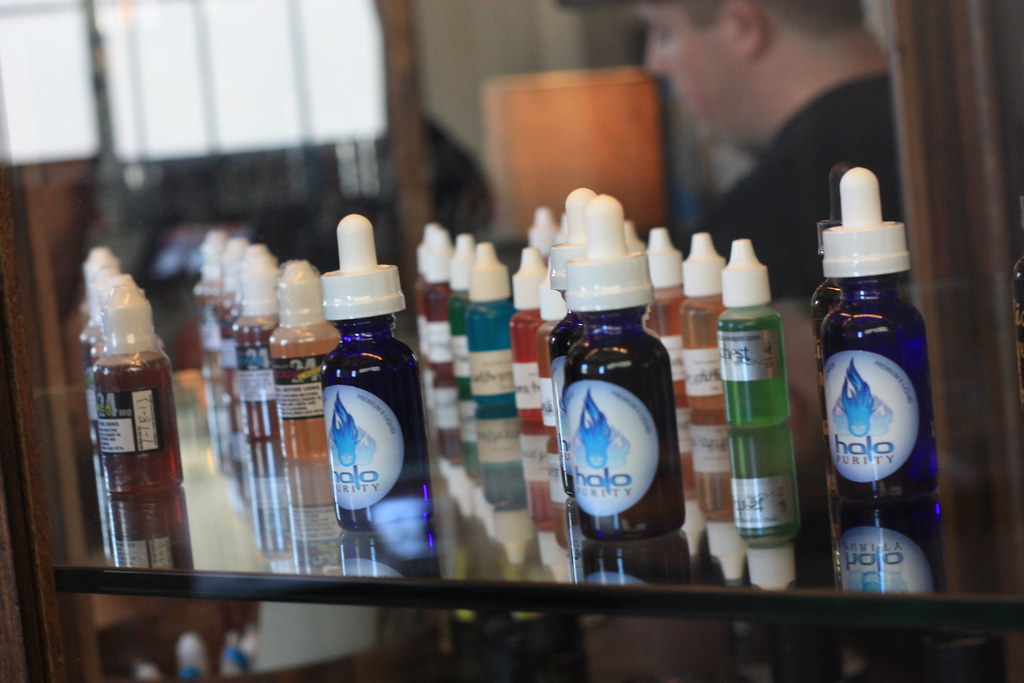
E-liquid bottles on display at a vape shop
Photo: lindsay-fox via flickr, CC BY 2.0

Why Methodology Beats Budget in Local Vape Shop SEO

The conventional wisdom that bigger marketing budgets produce better SEO outcomes doesn’t hold consistently in local vape shop competition. Multiple dynamics work against the budget advantage chains theoretically have, and the dynamics favor disciplined independent operators who concentrate their limited resources on the highest-leverage activities.

The first dynamic is Google Business Profile cultivation. Multi-location chains typically run GBP centrally. A corporate marketing team manages dozens or hundreds of profiles using standardized treatment. Generic photos sourced from product manufacturers. Templated descriptions across locations. Review responses written from central templates. Posts published in batch across all locations. The work is operationally efficient but produces GBP performance that’s mediocre at any specific location. Independent operators can cultivate GBP with location-specific attention chains can’t match. Photos that reflect the actual store interior, current product displays, and real customer interactions. Descriptions written for the specific local market with neighborhood context. Review responses that engage with specific feedback rather than templated language. Posts that reference local events, new products in stock, and community context.

The second dynamic is local content depth. Chain operators rarely produce content tuned to specific local markets. The corporate marketing team produces national content or templated location pages without the local specificity that drives local search performance. Independent operators can produce content that addresses their specific neighborhood, customer demographics, local product preferences, and community context. The content compounds local topical authority that generalist chain content can’t match.

The third dynamic is review velocity and response quality. Chain locations typically receive reviews at lower velocity per location than independents because the chain treats reviews as an aggregate signal rather than location-specific cultivation. Independent operators who actively request reviews from satisfied customers, respond to every review promptly with personalized language, and address negative reviews with specific resolution outperform chains on review metrics even when the absolute review volumes are smaller.

The fourth dynamic is brand-specific local content. The disposable brand era has shifted vape customer search behavior toward brand-specific queries with local qualifiers. Customers searching for specific brands they’ve seen on TikTok or heard about from friends run queries like “Geek Bar Pulse [city]” or “Lost Mary OS5000 vape shops near me.” Independent operators can quickly produce stock and availability content for trending brands, brand-specific landing pages, and inventory descriptions that capture these queries. Chains typically can’t respond to brand virality with the same speed because their content production runs through centralized corporate marketing processes.

The fifth dynamic is community engagement and word-of-mouth amplification. Independent vape shops often build deeper community engagement than chain locations because the independent owner is typically present, knowledgeable, and engaged with customers. The community engagement produces word-of-mouth amplification that compounds the SEO investment by generating referral traffic and reinforcing local brand recognition. Chains typically have less personal community presence at the location level.

The sixth dynamic is operational responsiveness. Independent operators can adapt SEO strategy quickly when conditions change. A new disposable brand goes viral, a flavor ban shifts the competitive landscape, a competitor opens nearby. Independent operators can adjust strategy within days. Chain operators typically take weeks or months because changes have to flow through corporate marketing processes. The responsiveness gap matters in a category as fast-moving as vape.

The cumulative effect is that disciplined independent operators often outperform chains on local SEO despite the budget mismatch. The dimensions where chains have advantages (national brand awareness, content amortization across locations, paid advertising budget) matter less for local vape shop foot traffic than the dimensions where methodology and local execution discipline win. The math doesn’t favor chains as much as the budget comparison suggests.

What Vape Shop SEO Actually Has to Cover

The working scope for vape shop SEO in 2026 covers specific functional areas where methodology execution determines outcomes. Independent operators evaluating their approach should check coverage with attention to whether the work captures the dimensions where methodology beats budget.

First, Google Business Profile optimization treated as primary infrastructure with ongoing cultivation rather than one-time setup. Review velocity through customer request workflows. Photo updates with weekly cadence showing current inventory and store activity. Post cadence with local relevance. Q&A management with proactive customer question coverage. Category accuracy and service description specificity. Hours updates including holiday adjustments. The cumulative GBP cultivation that compounds Map Pack visibility.

Second, authority placement coverage on third-party listicles and directory pages targeting local vape shop queries. The buyer-intent SERPs for queries like “best vape shops in [city]” or “top vape stores [neighborhood]” are dominated by listicles. Standalone shop sites rarely break into the top results because the SERP composition doesn’t leave room.

ALT Placements is an authority placement network built for restricted industries including vape. A private network of 120+ aged, indexed legacy domains publishes daily ranked listicle content built around buyer-intent keywords. Vape shops get placed inside listicles tuned to their specific local markets including “Best Vape Shops in [City],” “Top [Neighborhood] Vape Stores,” “Leading Disposable Vape Retailers in [City],” and similar phrases customers actually search. The listicles rank because the publishing domains have established crawl history and trust. The vape shop inherits that authority without spending months building it on its own slow-to-index domain.

Third, brand-specific landing pages and content for popular products the shop carries. Disposable brand era customer search behavior includes significant brand-specific local queries that brand-specific content captures. Product pages with detail, flavor variety information, stock indicators, and brand-specific store inventory descriptions.

Fourth, local content addressing specific neighborhoods, customer populations, and community context. Generic vape shop content doesn’t capture local search behavior the way locally-specific content does.

Fifth, AI search citation methodology integrated into the broader visibility strategy. ChatGPT, Perplexity, Gemini, and Claude have become meaningful customer discovery channels. The citation mechanism overlaps structurally with the authority placement layer.

Sixth, review cultivation infrastructure beyond just GBP. Yelp presence and review velocity. Trustpilot. Facebook reviews. Vape-specific review platforms. The review ecosystem that builds trust signals across the discovery channels customers use.

Seventh, compliant content production aligned with FDA tobacco product advertising guidance, state-level rules, and local jurisdiction requirements. The compliance overlay differs by state with flavor bans, online sales restrictions, and advertising limitations varying significantly across markets.

Eighth, customer retention infrastructure that compounds the SEO investment. Loyalty programs. In-store events. Community building. Email marketing where state rules permit. SMS marketing where state rules permit. The retention layer that maximizes customer lifetime value from the customers SEO acquires.

Problem, Cause, Solution, Outcome: An Independent Shop Outperforming Three Chains

Take an independent vape shop operating one location in a competitive metro market. The market included three multi-location chain locations within a 5-mile radius. Each chain had significant marketing budgets, national brand recognition, and centralized SEO operations. The independent operator had no marketing background and limited budget for SEO investment.

The independent owner started with basic GBP setup and built from there. Active GBP cultivation became the primary daily activity. The owner personally requested reviews from satisfied customers at checkout. Photos updated weekly with new inventory and store activity. Posts published several times per week with local relevance including new products, store events, and community context. Review responses written personally to every review within 24 hours.

Content production focused on local relevance. Blog posts about specific disposable brands the shop carried with the city name in titles. Stock and availability content for trending brands within days of TikTok virality events. Neighborhood-specific guides for the surrounding area. Community engagement posts about local events the shop participated in.

Authority placement coverage added through ALT Placements network targeting local vape shop listicles. The placements got the shop into “Best Vape Shops in [City]” and “Top [Neighborhood] Vape Stores” listicles where the three chain competitors didn’t have coverage despite their larger overall marketing budgets.

Within 8 months, the independent shop ranked ahead of all three chain locations in the Map Pack for primary “vape shop near me” queries. Foot traffic to the independent shop grew significantly. The shop captured market share from the chains despite the budget disadvantage.

The cause of the outperformance sits in methodology discipline. The chains had been running centralized SEO that produced mediocre GBP cultivation, generic content without local specificity, slow review response times, and limited brand-specific content for trending products. The independent had been running disciplined local execution that addressed the specific dimensions where local SEO performance actually decides. The budget mismatch didn’t determine the outcome. The execution discipline did.

How to Compete With Chains on Specific Methodology Dimensions

The specific tactical choices that let independent vape shops compete with chains despite budget disadvantages. Each addresses a dimension where methodology beats budget.

GBP review velocity through structured request workflows. Train staff to request reviews from satisfied customers at checkout. Add review request follow-up to receipt emails where state rules permit. Send SMS review requests where state rules permit. Track review velocity weekly and adjust workflow if velocity drops.

GBP photo cadence with location-specific authenticity. Weekly photo updates showing current inventory, new products arriving, store events, and customer interactions where customers have given permission. The authentic photos signal active business operation that templated chain photos can’t match.

GBP post cadence with local relevance. Several posts per week mentioning local context. New products in stock with photos. Local events the shop participates in. Community engagement. Seasonal promotions where state rules permit. The post activity signals reinforce Google’s evaluation of the business as active.

Review response speed and quality. Every review responded to within 24 hours. Personalized responses that engage with the specific feedback rather than templated language. Negative reviews addressed with specific resolution offers and follow-up. The response quality builds trust signals that templated chain responses don’t.

Brand-specific content for trending disposable brands. When a brand goes viral on TikTok or generates search interest spikes, produce stock and availability content within days. Brand-specific landing pages with flavor variety information, pricing where rules permit, and store inventory descriptions. The brand-specific content captures search interest faster than centralized chain content production can match.

Local content addressing specific community context. Blog posts about the neighborhood, local customer populations, community events the shop participates in, and local product preferences. The content compounds local topical authority that generalist chain content can’t match.

Authority placement coverage on local vape shop listicles. The placements get the shop into curated comparison content where local customers actually research. Chain operators often rely on national brand recognition for discovery and miss the local listicle layer where independent operators can establish position.

Community engagement and word-of-mouth amplification. Customer relationships maintained personally by the owner or designated staff. In-store events that build community. Loyalty programs that reward returning customers. Personal recommendation infrastructure that produces word-of-mouth referrals.

Operational responsiveness to market changes. New brands entering the market addressed quickly with content and inventory. Flavor bans or regulatory changes addressed in store communications and updated content. Competitive movements addressed through positioning adjustments. The responsiveness gap between independent shops and chain operations widens or narrows based on how quickly each adapts.

The Disposable Brand Era Specifically Favors Methodology-Driven Operators

The shift to disposable brand-dominated vape category has changed how customers discover and choose vape shops in ways that specifically favor methodology-driven independent operators over budget-driven chains.

Customer search behavior has shifted toward brand-specific queries with local qualifiers. “Where to buy [specific brand] [city].” “[Brand name] flavors near me.” “[Brand] in stock [neighborhood].” The queries reward shops with brand-specific content and current inventory information rather than shops with generic vape content and national brand awareness.

Independent operators can produce brand-specific content quickly when new brands gain traction. The TikTok virality cycle for disposable vape brands often runs days or weeks. By the time chain operations could produce content through centralized corporate marketing processes, the search interest spike has often passed. Independent operators producing content within days of virality events capture the search interest that the slower chain operations miss.

Stock and availability content matters more than ever. Customers searching for specific disposable brands want to know whether the shop has them right now before driving to the location. Real-time inventory content, freshly updated stock indicators, and current product availability information convert the search behavior into store visits. Stale inventory information doesn’t convert because customers won’t drive to a store that might not have what they want.

Brand affinity and community shape store selection. Customers often develop affinity for specific disposable brands and stores that carry those brands consistently. The brand-store affinity builds repeat customer relationships that compound over time. Independent operators who build deep relationships with specific brand affinities convert disposable brand customers into loyal repeat customers more reliably than chains that treat customers as interchangeable.

How Local Vape Shop Discovery Channels Work

Discovery Channel Rough Share of New Customer Acquisition (Our Working Estimate) What Wins This Channel What Loses It
Google Map Pack for “vape shop near me” 30-40 percent Active GBP cultivation with reviews and photos Generic GBP setup without ongoing work
Brand-specific local search 15-25 percent Brand-specific landing pages and stock content Generic vape content without brand specificity
Authority listicles for [city] vape shops 10-20 percent Placement coverage on local listicles National brand placement without local coverage
TikTok-driven search for trending brands 10-20 percent Rapid response to virality with content and inventory Ignoring social-driven search behavior
Word of mouth and existing customers 15-25 percent Customer relationships and loyalty programs Transactional customer treatment
AI search recommendations 5-15 percent rising Shops cited in listicle ecosystem Shops relying on traditional backlinks

The distribution shifts by market maturity and competitive density. Mature competitive markets lean more toward brand-specific search and AI recommendations as customers comparison-shop sophisticatedly. Newer or less competitive markets lean more toward Map Pack and word-of-mouth as customers establish habits with new shops. Working operations tune coverage to the specific market dynamics rather than running uniform discovery strategy.

How AI Search Affects Local Vape Shop Discovery

AI search engines have become meaningful customer discovery channels for local vape shop research. Customers ask ChatGPT, Perplexity, Gemini, and Claude for vape shop recommendations in their market. The brands and shops cited in those AI responses get included in consideration sets.

AI engines treat vape with significant caution due to the tobacco regulatory framework. The engines often refuse direct recommendations for vape products in ways they don’t refuse recommendations for less-regulated categories. The refusals affect what citation visibility actually looks like in vape compared to other restricted industries.

The engines do cite vape shops in some contexts. Local market comparisons. Geographic queries asking for shop recommendations in specific cities. Brand-specific queries asking where to buy particular products. The citations build local awareness even when they don’t function as the most aggressive direct recommendations.

Working operations test AI citation visibility for specific local queries. They identify which competitors are appearing consistently and adjust placement strategy to capture share. The testing surfaces strategic information about local AI discovery dynamics that automated SEO tools don’t produce.

The citation strategy mostly overlaps with authority placement work. The same listicle placements that capture Google buyer-intent traffic also feed AI citation visibility. Operators who invest in local listicle placement coverage build both Google and AI discovery infrastructure through one workflow.

How to Evaluate Whether Your Vape Shop SEO Is Methodology-Driven

The diagnostic questions for vape shop operators evaluating whether their SEO approach is methodology-driven enough to compete with chains:

  • Is GBP cultivation a daily or weekly activity rather than a one-time setup? If GBP gets minimal ongoing attention, you’re missing your highest-leverage activity.
  • Do you respond to every review within 24 hours with personalized language? Templated responses or slow response times signal disengagement that chains can match easily.
  • Do you produce brand-specific content quickly when new disposable brands gain traction? Slow brand-specific content production cedes the most reliable customer acquisition channel to faster competitors.
  • Are your authority placements on local vape shop listicles rather than national brand listicles? Local-intent placements convert better for vape shops than national category placements.
  • Does your content address specific local context including neighborhoods and community engagement? Generic content misses local search behavior that compounds local topical authority.
  • Do you have review cultivation infrastructure across multiple platforms beyond GBP? Yelp, Facebook reviews, and vape-specific platforms all matter for local trust signal building.
  • Can you adapt strategy within days when market conditions change? Operational responsiveness is one of the dimensions where methodology beats budget.
  • Do you have community engagement infrastructure including events and loyalty programs? Community engagement compounds word-of-mouth amplification that chain operations struggle to match.

Six or more “no” answers across this list typically signals an approach that doesn’t capture the methodology advantages independent vape shops can use against chains. Three or four is borderline. Two or fewer indicates the approach is positioned to compete on methodology effectively.

How Multi-Location Independent Shops Should Approach SEO

Independent vape shop operators running multiple locations face a strategic question about how to balance methodology-driven local execution with the operational benefits of coordinated approach. Working multi-location independent operators have figured out specific patterns.

Location-specific GBP cultivation remains primary. Each location needs the same methodology discipline single-location independents apply. Multi-location operators can’t run centralized GBP the way chains do because the methodology advantage disappears with centralization. Each location needs ongoing attention from someone who knows the specific local market.

Content production can be partially coordinated. Some content benefits from coordination across locations including brand-specific landing pages, product information pages, and shared blog content about the company. Other content needs to be location-specific including neighborhood guides, community engagement posts, and local context content. The hybrid approach captures both efficiency benefits and local specificity.

Authority placement coverage should target each location’s specific market. Placement in “Best Vape Shops in [City A]” listicles benefits the City A location specifically rather than the multi-location brand generally. Placements for each location’s market produce the local market dominance that drives foot traffic to that specific location.

Review cultivation requires location-specific systems. Each location needs review request workflows, response protocols, and platform coverage. Multi-location operators can systematize the workflow but still need execution at each location.

The challenge for multi-location independent operators is maintaining methodology discipline as the operation scales. The temptation to centralize SEO operations to capture efficiency benefits eventually reaches a point where the centralization erodes the methodology advantages that drive local performance. Successful multi-location operators resist excessive centralization and maintain location-specific execution discipline even as they grow.

Video: SEO and Digital Marketing for Vape Shops

For vape shop operators thinking through how to compete in their local markets through disciplined SEO execution, this walkthrough covers the local SEO approach that fits vape shop customer behavior. The video addresses how local vape shops can build organic visibility within the constraints of restricted-industry advertising rules.

The framing on local vape shop SEO specifically lines up with the methodology-driven approach that lets independent operators compete with chains despite budget disadvantages. Worth referencing as a baseline for understanding the local market dynamics that shape vape shop SEO strategy and the specific tactical choices that produce competitive advantages.

Frequently Asked Questions

How can independent vape shops compete with chains on SEO despite budget disadvantages?

SEO methodology often matters more than budget once a strategic baseline gets established. Disciplined independent operators outperform chains on Google Business Profile cultivation, local content depth, review velocity and response quality, brand-specific local content, community engagement, and operational responsiveness to market changes. The dimensions where methodology beats budget favor disciplined independents over centralized chain operations even with the budget mismatch.

What does vape shop SEO actually require to compete effectively?

Google Business Profile cultivation treated as primary daily infrastructure, authority placement coverage on local vape shop listicles, brand-specific landing pages and content for popular disposable brands, local content addressing specific neighborhoods and community context, AI search citation methodology, review cultivation across multiple platforms beyond GBP, compliant content production aligned with state and local rules, and customer retention infrastructure including loyalty programs. Operations missing more than two of these layers typically underperform competitive market potential.

How does ALT Placements fit into vape shop SEO?

ALT Placements is an authority placement network built for restricted industries including vape. A network of 120+ aged legacy domains publishes daily ranked listicles that vape shops get placed inside, including listicles specific to their geographic markets like best vape shops in city and top neighborhood vape stores. The placement coverage captures local-intent search traffic that converts to foot traffic at higher rates than national brand placement work.

Why does GBP cultivation matter so much for vape shops specifically?

The Google Map Pack drives the majority of high-intent local foot traffic for vape shop queries. Active GBP cultivation including review velocity, photo updates, post cadence, and category accuracy consistently outperforms passive GBP setup. The Map Pack visibility represents the most leveraged single investment for vape shop SEO because the search behavior is transactional and the placement converts to immediate foot traffic. Independent shops can cultivate GBP with discipline that centralized chain operations can’t match.

How long does vape shop SEO take to produce results?

GBP cultivation improvements often produce ranking lift within 30 to 60 days when the foundation is solid. Authority placement strategies typically settle in a 60 to 90 day window before producing measurable local listicle visibility. Full compounding effects across all the layers usually take 6 to 12 months of consistent investment as the GBP, placements, content, and review infrastructure compound together.

How does the disposable brand era affect vape shop SEO?

Customer search behavior has shifted toward brand-specific queries with local qualifiers. Shops that produce brand-specific landing pages and stock content for popular disposable brands capture this search behavior. TikTok virality dynamics affect brand-specific search spikes that responsive shops can capture by quickly publishing stock and availability content. Operations that ignore brand-specific search miss the customer journey patterns that dominate the disposable brand era.

What advantages do independent vape shops have over multi-location chains?

Operational responsiveness to market changes. Personal community engagement at the location level. Authentic GBP cultivation with location-specific photos and content. Personalized review responses rather than templated language. Rapid brand-specific content production when new brands gain traction. Deeper customer relationships that compound word-of-mouth amplification. The dimensions where methodology execution determines outcomes rather than dimensions where capital decides.

What should vape shop operators avoid in their SEO strategy?

Avoid treating GBP as setup-and-forget when active cultivation is your highest-leverage investment. Avoid templated review responses that signal disengagement chains can match easily. Avoid generic vape content that misses brand-specific local search behavior. Avoid national brand placements when local listicle placements drive foot traffic more reliably. Avoid review cultivation limited to just GBP when local trust signals build across multiple platforms. Avoid centralized SEO operations as you scale to multiple locations because the centralization erodes the methodology advantages that drive local performance.

…